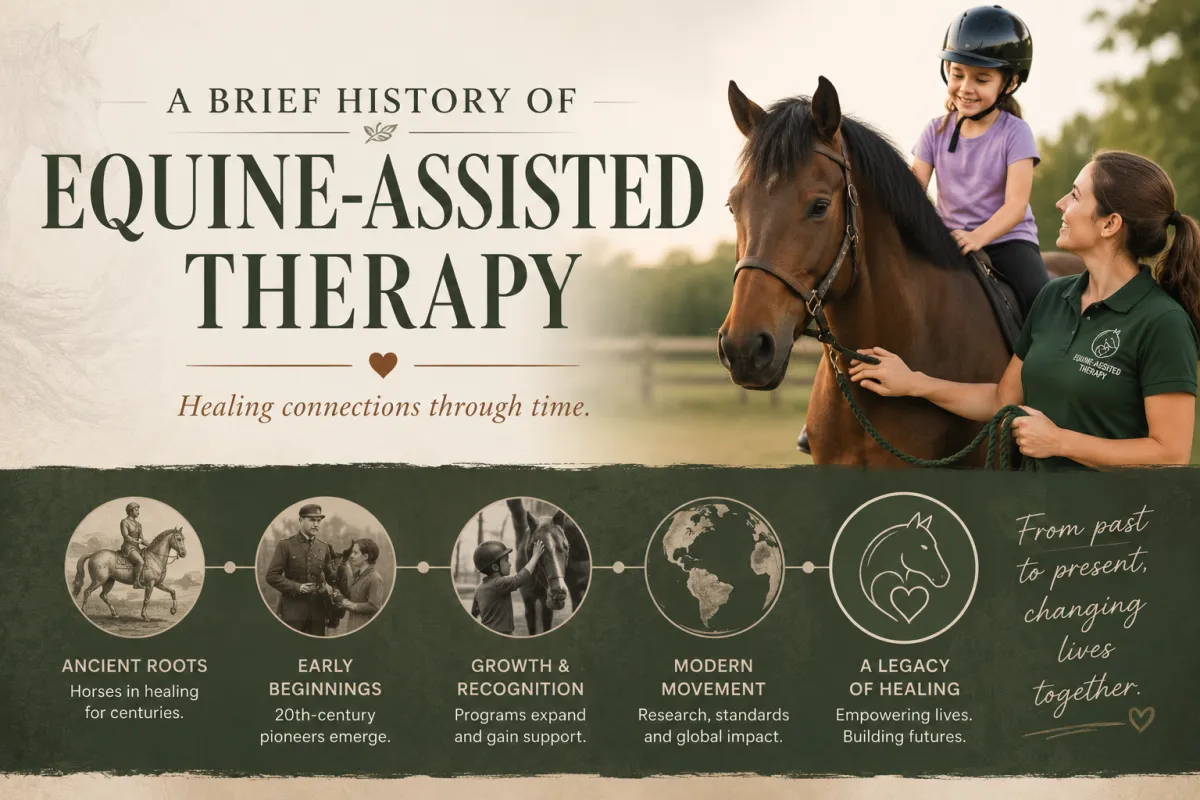
Brief History of Equine-Assisted Therapy

Brief History of Equine-Assisted Therapy

April 15, 20261 min read

Brief History of Equine-Assisted Therapy

Equine Assisted Therapy (EAT) has a relatively recent history, dating back only to the mid-20th century. Here is a brief overview of the history of EAT:

1970s-1980s:

The first documented use of horses in therapeutic settings was in the 1970s when organizations like the Professional Association of Therapeutic Horsemanship International (PATH) were founded. At this time, horseback riding was the primary method of therapeutic intervention.

1990s:

In the 1990s, EAT became more widespread and expanded beyond just horseback riding therapy. The use of horses was found to be beneficial for individuals with mental health disorders, developmental disabilities, and physical disabilities.

2000s:

The 2000s saw a growth in EAT programs around the world. In the United States, organizations like the Equine Facilitated Mental Health Association (EFMHA) were founded to establish standards of practice and ethics for professionals working in EAT.

Today:

EAT is recognized as a specialized form of therapy that utilizes the unique qualities of horses to help individuals with various challenges. It is used in various settings, including mental health clinics, schools, and rehabilitation centers. EAT is also used to treat PTSD, addiction, and trauma.

If this article is helpful, share it with your friends and colleagues!

Did you find the information listed in this article helpful? Leave a comment below; I’d love to know what you think.

Help is available through professional counseling! Click here to start the counseling process.
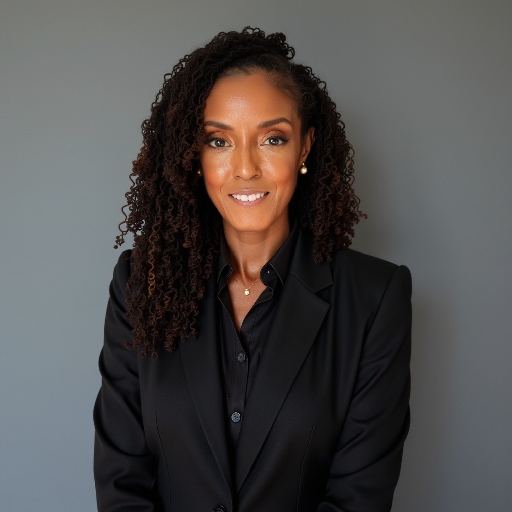
Dr. Rhea Hill’s journey in behavioral health is driven by a deep passion for understanding and addressing the connection between trauma and autoimmune disorders. With a strong foundation in psychology and mental health counseling, she has dedicated over 25 years to healing modalities, transitioning from a licensed massage therapist to mental health counseling and ultimately to integrated behavioral health.
After earning her Doctor of Behavioral Health from Cummings Graduate Institute for Behavioral Health Studies in 2024, Dr. Hill has focused on understanding the connection between trauma and autoimmune diseases and the impact of equine-assisted therapy on treatment outcomes. Inspired by her own health journey following a systemic sclerosis/scleroderma diagnosis in 2010, she is now pioneering programs that integrate eco-therapy with healthcare providers. With a vision to establish an equine-assisted treatment center specializing in women’s health and holistic care, Dr. Hill is paving the way for transformative advancements in behavioral health. 
In this interview, Dr. Hill discusses how the DBH program shaped her career path, broadened her expertise in integrated behavioral healthcare, and enhanced her perspective on effective leadership to drive meaningful advancements in behavioral health outcomes.
To learn more about how the DBH program has shaped Dr. Hill's career post-graduation, visit DBH ALUMNI SPOTLIGHT: DR. RHEA HILL, DBH, LPC.

Dr. Rhea Hill

Dr. Rhea Hill’s journey in behavioral health is driven by a deep passion for understanding and addressing the connection between trauma and autoimmune disorders. With a strong foundation in psychology and mental health counseling, she has dedicated over 25 years to healing modalities, transitioning from a licensed massage therapist to mental health counseling and ultimately to integrated behavioral health. After earning her Doctor of Behavioral Health from Cummings Graduate Institute for Behavioral Health Studies in 2024, Dr. Hill has focused on understanding the connection between trauma and autoimmune diseases and the impact of equine-assisted therapy on treatment outcomes. Inspired by her own health journey following a systemic sclerosis/scleroderma diagnosis in 2010, she is now pioneering programs that integrate eco-therapy with healthcare providers. With a vision to establish an equine-assisted treatment center specializing in women’s health and holistic care, Dr. Hill is paving the way for transformative advancements in behavioral health. In this interview, Dr. Hill discusses how the DBH program shaped her career path, broadened her expertise in integrated behavioral healthcare, and enhanced her perspective on effective leadership to drive meaningful advancements in behavioral health outcomes. To learn more about how the DBH program has shaped Dr. Hill's career post-graduation, visit DBH ALUMNI SPOTLIGHT: DR. RHEA HILL, DBH, LPC.

Instagram logo icon
Back to Blog