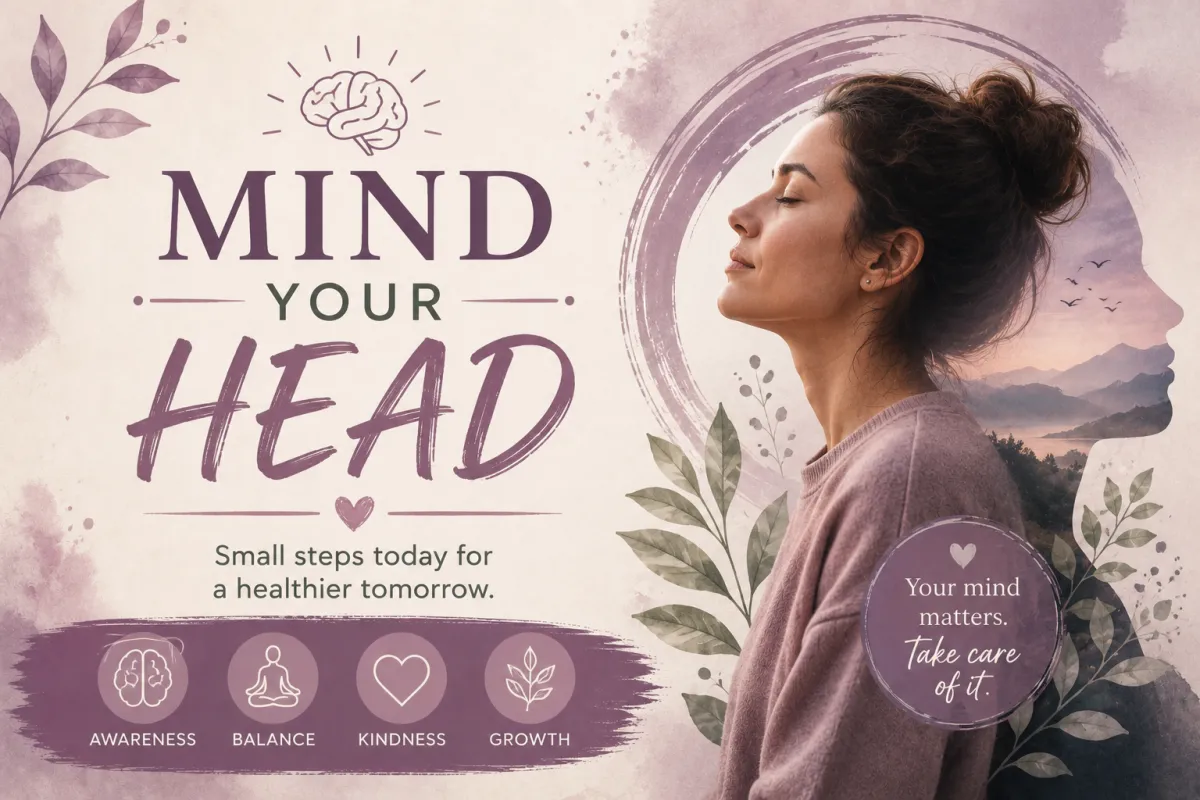
Mind Your Head

Mind Your Head

April 25, 20262 min read

Mindfulness can be practiced anywhere you are and at any time, informally, and during meditation. How often do we go about our day with our minds roaming away from our current activity to our hopes and fears about the past and the future? When we are practicing mindfulness, we are intentionally engaging in the present moment. When you’re practicing mindfulness, you are purposefully connected with all of your senses, recognizing when you have wandered and gingerly shifting your focus back to the task at hand.

Mindfulness is simply paying keen attention to your surroundings. Practicing mindfulness seems difficult because we spend most of our day on autopilot drifting through time and space of our hopes, fears, and desires. Breaking that drifting habit and becoming actively mindful can present a happier person.

The Five Senses

Whenever you finish a commonly practiced task like bathing, brushing your teeth, eating, or walking, you can implement mindfulness by tuning into your five senses.

For example, when you are eating a meal, notice:

  • The colors of the food. Does the food look steamy or frosted with ice?

  • Take in the aroma of the food and how it makes you feel.

  • Is there a sound or sizzling? Listen closely to the sounds.

  • The taste of the food. Allow the food to savor in your mouth before you start to chew.

  • The texture and temperature of the food. Is the food hot, cold, soft, crunchy, creamy, etc.?

    Another example is the inherent repetition of breathing. Take notice of the following when you inhale and exhale:

  • Note the temperature of the air. Is it cool or warm?

  • Describe the feeling. Does the air tickle the edges of your nostrils or the hair within?

  • Recognize the aroma. What do you smell?

Breathing is a natural act that we overlook daily. Tune into what’s considered the small things to sharpen your sense of awareness. The practice of mindfulness will help you blend into your surroundings and increase your present moment awareness. You can use mindfulness casually during your daily activities and meditation. If you practice this with everyday activities, you will begin to notice new things about your space and the whole body more intently
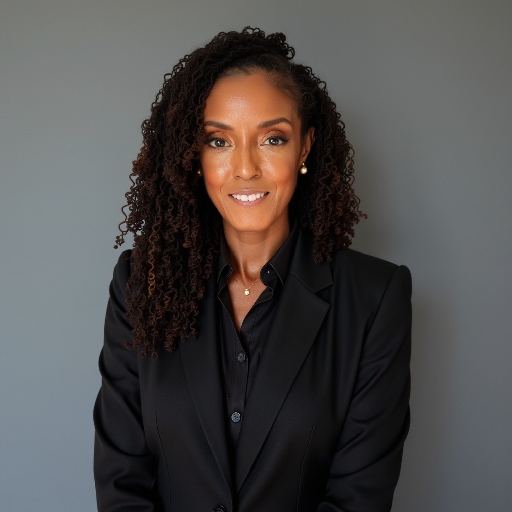
Dr. Rhea Hill’s journey in behavioral health is driven by a deep passion for understanding and addressing the connection between trauma and autoimmune disorders. With a strong foundation in psychology and mental health counseling, she has dedicated over 25 years to healing modalities, transitioning from a licensed massage therapist to mental health counseling and ultimately to integrated behavioral health.
After earning her Doctor of Behavioral Health from Cummings Graduate Institute for Behavioral Health Studies in 2024, Dr. Hill has focused on understanding the connection between trauma and autoimmune diseases and the impact of equine-assisted therapy on treatment outcomes. Inspired by her own health journey following a systemic sclerosis/scleroderma diagnosis in 2010, she is now pioneering programs that integrate eco-therapy with healthcare providers. With a vision to establish an equine-assisted treatment center specializing in women’s health and holistic care, Dr. Hill is paving the way for transformative advancements in behavioral health. 
In this interview, Dr. Hill discusses how the DBH program shaped her career path, broadened her expertise in integrated behavioral healthcare, and enhanced her perspective on effective leadership to drive meaningful advancements in behavioral health outcomes.
To learn more about how the DBH program has shaped Dr. Hill's career post-graduation, visit DBH ALUMNI SPOTLIGHT: DR. RHEA HILL, DBH, LPC.

Dr. Rhea Hill

Dr. Rhea Hill’s journey in behavioral health is driven by a deep passion for understanding and addressing the connection between trauma and autoimmune disorders. With a strong foundation in psychology and mental health counseling, she has dedicated over 25 years to healing modalities, transitioning from a licensed massage therapist to mental health counseling and ultimately to integrated behavioral health. After earning her Doctor of Behavioral Health from Cummings Graduate Institute for Behavioral Health Studies in 2024, Dr. Hill has focused on understanding the connection between trauma and autoimmune diseases and the impact of equine-assisted therapy on treatment outcomes. Inspired by her own health journey following a systemic sclerosis/scleroderma diagnosis in 2010, she is now pioneering programs that integrate eco-therapy with healthcare providers. With a vision to establish an equine-assisted treatment center specializing in women’s health and holistic care, Dr. Hill is paving the way for transformative advancements in behavioral health. In this interview, Dr. Hill discusses how the DBH program shaped her career path, broadened her expertise in integrated behavioral healthcare, and enhanced her perspective on effective leadership to drive meaningful advancements in behavioral health outcomes. To learn more about how the DBH program has shaped Dr. Hill's career post-graduation, visit DBH ALUMNI SPOTLIGHT: DR. RHEA HILL, DBH, LPC.

Instagram logo icon
Back to Blog