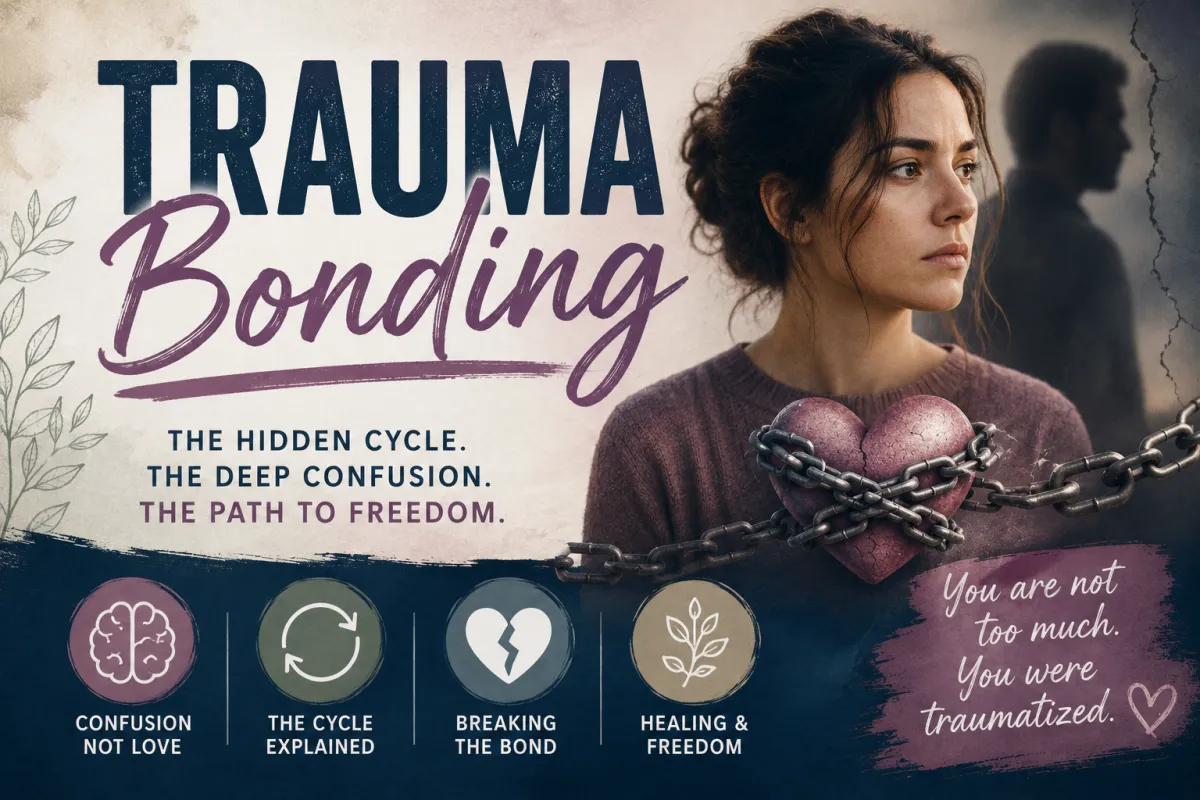
Trauma Bonding

Trauma Bonding

April 18, 20262 min read

Trauma bonds are attachments formed between a victim and the perpetrator in a cycle of abuse that uses rewards and punishments to maintain the victim's compliance with the abuser's desired behavior. Trauma bonding refers to the process of creating ties in the wake of terrible experiences. When a victim creates an emotional connection with the person who inflicted the trauma, this is called a trauma bond. This might be thought of as a dominator-submissive or abuser-victim relationship. A power differential and the repeated presentation of positive and negative reinforcement in the form of praise and criticism are the two most important ingredients in the recipe for creating a trauma connection. Bonds formed through trauma can develop in a variety of settings, including but not limited to romantic relationships, parent-child connections, incestuous relationships, cults, hostage situations, sex trafficking (particularly of kids), and military deployments.

Fear, dominance, and the unknown are the cornerstones of trauma bonding. As the abuser and victim form a stronger and deeper trauma link, the victim experiences alternating waves of fear, numbness, and sadness. Victims in trauma connections typically lack a feeling of self and agency. They have adopted and internalized the abuser's conception of themselves.

Trauma bonds harm the victim greatly, not only during the relationship but long after as well. Trauma bonding can have far-reaching consequences, such as the perpetuation of a generational cycle of abuse, difficulties with mental health (such as poor self-esteem, negative self-image, and an increased probability of depression and bipolar disorder), and staying in violent relationships. It can be extremely challenging, if not impossible, for victims who have formed a painful attachment with their victimizers to break free from that bond. Many people who do manage to escape their abusive partners end up going back to them because of the pervasiveness of the learnt trauma connection.

If this article is helpful, share it with your friends and colleagues!

Did you find the information listed in this article helpful? Leave a comment below; I’d love to know what you think.

Help is available through professional counseling! Click here to start the counseling process.
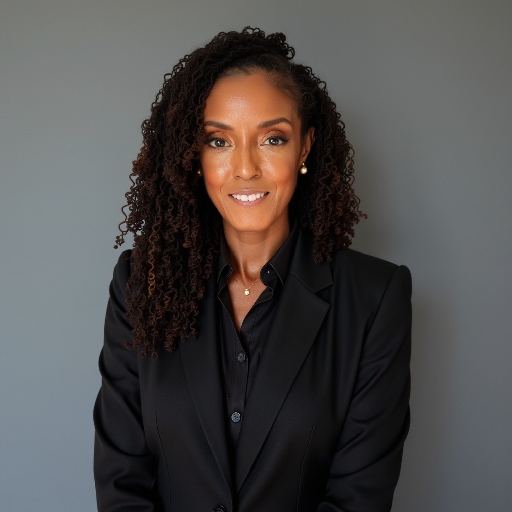
Dr. Rhea Hill’s journey in behavioral health is driven by a deep passion for understanding and addressing the connection between trauma and autoimmune disorders. With a strong foundation in psychology and mental health counseling, she has dedicated over 25 years to healing modalities, transitioning from a licensed massage therapist to mental health counseling and ultimately to integrated behavioral health.
After earning her Doctor of Behavioral Health from Cummings Graduate Institute for Behavioral Health Studies in 2024, Dr. Hill has focused on understanding the connection between trauma and autoimmune diseases and the impact of equine-assisted therapy on treatment outcomes. Inspired by her own health journey following a systemic sclerosis/scleroderma diagnosis in 2010, she is now pioneering programs that integrate eco-therapy with healthcare providers. With a vision to establish an equine-assisted treatment center specializing in women’s health and holistic care, Dr. Hill is paving the way for transformative advancements in behavioral health. 
In this interview, Dr. Hill discusses how the DBH program shaped her career path, broadened her expertise in integrated behavioral healthcare, and enhanced her perspective on effective leadership to drive meaningful advancements in behavioral health outcomes.
To learn more about how the DBH program has shaped Dr. Hill's career post-graduation, visit DBH ALUMNI SPOTLIGHT: DR. RHEA HILL, DBH, LPC.

Dr. Rhea Hill

Dr. Rhea Hill’s journey in behavioral health is driven by a deep passion for understanding and addressing the connection between trauma and autoimmune disorders. With a strong foundation in psychology and mental health counseling, she has dedicated over 25 years to healing modalities, transitioning from a licensed massage therapist to mental health counseling and ultimately to integrated behavioral health. After earning her Doctor of Behavioral Health from Cummings Graduate Institute for Behavioral Health Studies in 2024, Dr. Hill has focused on understanding the connection between trauma and autoimmune diseases and the impact of equine-assisted therapy on treatment outcomes. Inspired by her own health journey following a systemic sclerosis/scleroderma diagnosis in 2010, she is now pioneering programs that integrate eco-therapy with healthcare providers. With a vision to establish an equine-assisted treatment center specializing in women’s health and holistic care, Dr. Hill is paving the way for transformative advancements in behavioral health. In this interview, Dr. Hill discusses how the DBH program shaped her career path, broadened her expertise in integrated behavioral healthcare, and enhanced her perspective on effective leadership to drive meaningful advancements in behavioral health outcomes. To learn more about how the DBH program has shaped Dr. Hill's career post-graduation, visit DBH ALUMNI SPOTLIGHT: DR. RHEA HILL, DBH, LPC.

Instagram logo icon
Back to Blog